Last updated on April 26th, 2024 at 12:15 pm
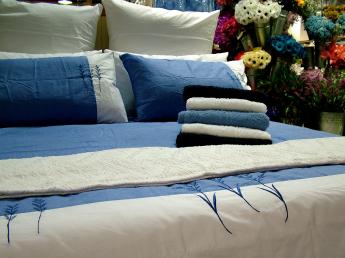
Duvet Covers (or Comforter Covers) Are Easy to Make Yourself
By Bev Marshall
Duvet covers are rather versatile when you think about it. If you want something that is really different for your bedroom, you may find expense is an issue in fancy, unique, well made fabric. Designer labels are pricey, especially if you aren’t shopping during a white sale. The versatility of the duvet makes them worth it, and a necessity for a comforter, but you don’t want to spend the money. Even an inexpensive comforter can be transformed into a stylish work of art with a unique duvet cover. They are great for your kid’s rooms because they can easily be changed when the child grows.
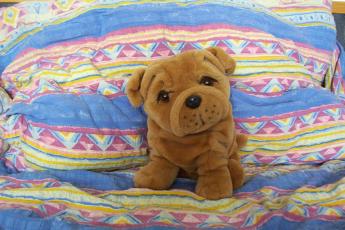
A teddy bear duvet might be good one day but you blink and he’s ready for a NASCAR print. You will save even more money if you make the duvet yourself. Even a novice can pull this off. Just think of a duvet as a giant pillow case with some sort of closure at the end. That doesn’t seem too hard does it? A pillow case keeps the pillow clean as you sleep on it, and the duvet does the same thing.

All types of bedding should be soft and supple since it is next to your skin.
You are going to be making this yourself, so don’t scrimp on fabric. Find good quality fabric in a soft cotton or blend. I love flannel on the bottom and it is available in lovely colors and prints. It will be repeatedly washed so look for one that is yarn dyed. Obviously, matching or coordinating sheets would work really well when sewing a duvet. You can even find two sheets on a clearance table that are a steal. This would be the easiest because no cutting is involved. Wash and dry either fabric or sheets before you begin as this will curtail shrinking disappointments down the road.
If you haven’t already purchased a comforter, think about how it will look on the bed.
Do you want more of an overhang on the sides or is your partner prone to stealing the covers? If so, you might want to buy a size that is a little larger than your size of bed. The completed presentation might look more finished if you do so.
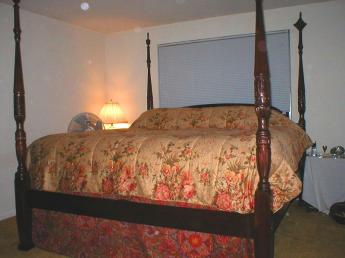
- Measure your comforter and add one and a half inches to the width and three and three fourths inches to the length allowing for seams and hems. If you have sheets, just look at the dimensions on the package.
- If you have chosen sheets, I would suggest not buying two of the exact same thing. Make things more interesting by buying complementary patterns and colors so it can be turned over for a new look. Don’t be afraid to mix it up a little.
- If you have chosen fabric, you must piece it together as you won’t find fabric with the width you need. Here is where creativity comes in. You can choose lots of matching patterns and colors and stitch them together to make the top of your duvet, just measure how big you want your “blocks” of fabric to be and go from there until you have enough for the top of the duvet. If this sounds like too much work, just use one or two fabrics and do the measuring.
- Place the wrong sides together and stitch with a quarter inch seam along the top sides. If a sewing machine is a foreign thing to you, there are many types of glue on the market that will do the job as well.
- You can create a fanciful closure by sewing large buttons at the top, folding it over and stitching ribbons to the other side of the top. Make sure it represents a nice fold and tie the ribbons to the buttons.
 Nothing could be simpler. For a more country look, take strips of torn fabric and stitch them where you placed the ribbons. They will fray, but that’s the point. Your duvet cover will take on a shabbier chic look.
Let the creative side come out and decorate your bedroom in the style and color that you choose, and save money at the same time.
Leave a Reply